
Ngorongoro Crater

About Ngorongoro Crater
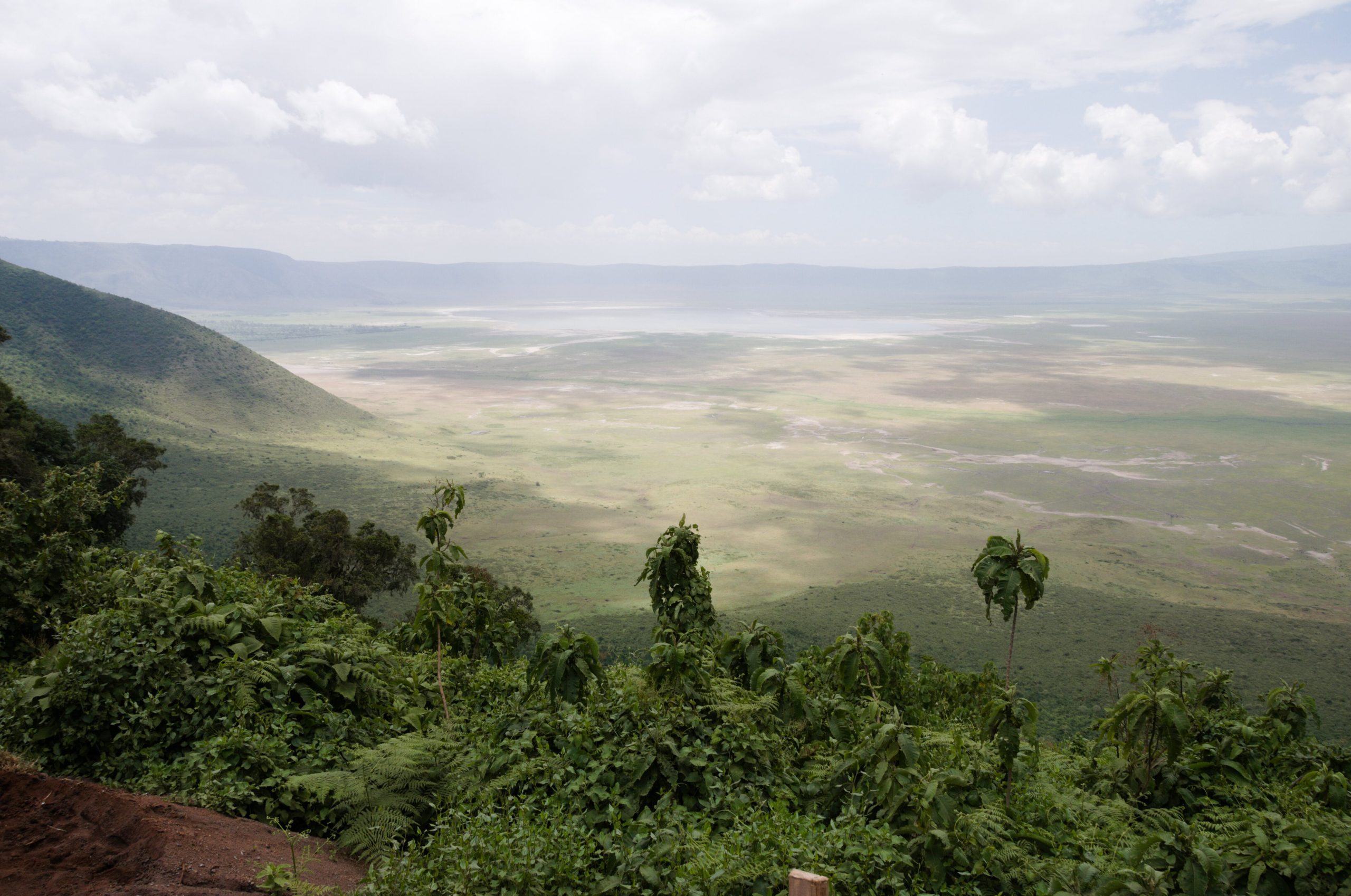
Ngorongoro Crater, nestled in the heart of Tanzania, is a geological wonder and a haven for biodiversity. Created by the collapse of a massive volcano millions of years ago, the crater spans 260 square kilometers (100 square miles) and plunges to depths of around 610 meters (2,000 feet).
Encircled by steep walls, this natural amphitheater shelters a thriving ecosystem, making it a UNESCO World Heritage Site and one of Africa’s most sought-after safari destinations. As the largest unbroken caldera in the world, the crater is a natural wonder that serves as a fishbowl of wildlife.
The crater’s floor hosts an impressive array of wildlife, including elephants, lions, and a dense population of flamingos in the soda lake. Its unique microclimate sustains diverse habitats, from grasslands to forests, fostering a rich tapestry of flora and fauna. Ngorongoro Crater exemplifies the delicate balance between geological forces and the intricate dance of life, drawing visitors into an immersive and unforgettable encounter with the wild beauty of East Africa.

Physical Characteristics
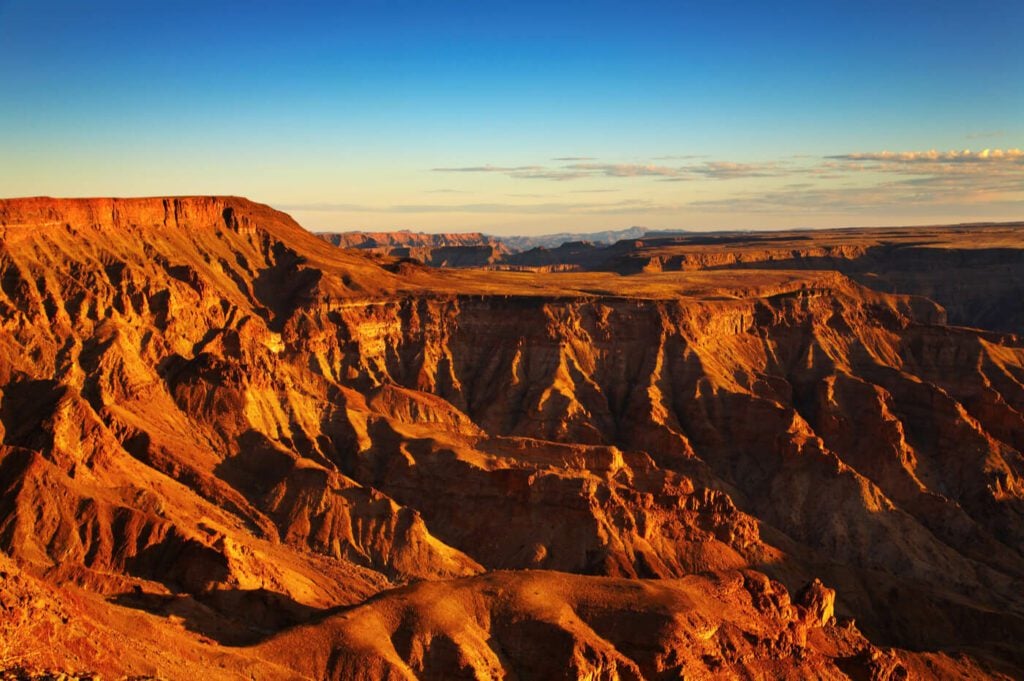
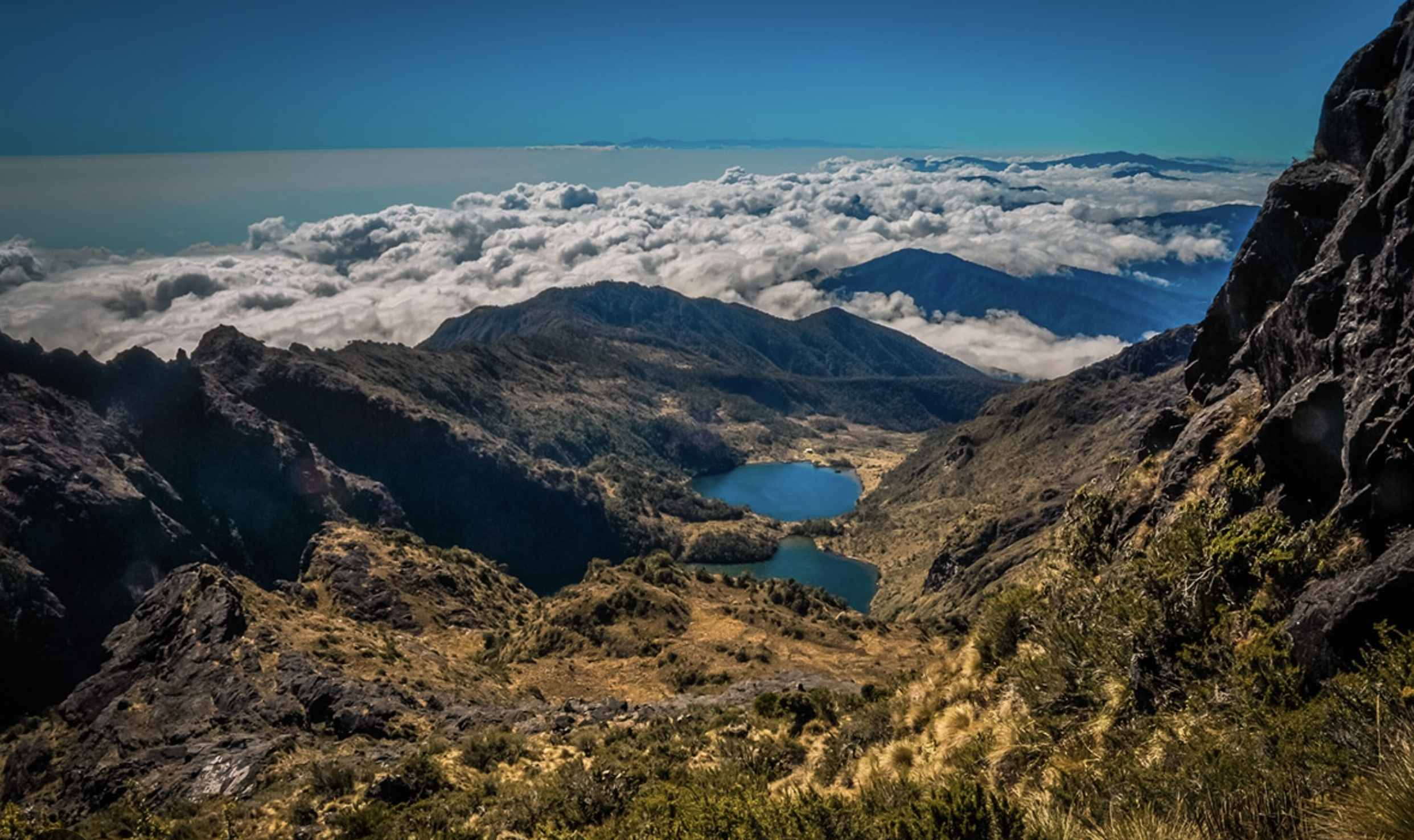
Ngorongoro Crater, a volcanic caldera in Tanzania, boasts remarkable features. It is the largest unbroken caldera in the world sitting at 12 miles (20 km) in diameter. The crater walls reach heights up to 2,000 feet (600 m) above the crater floor. The steep unbroken walls of the caldera create a dramatic landscape and setting.
The crater floor is a diverse ecosystem with grasslands, acacia forests, and a soda lake. It supports a rich array of wildlife. The combination of stunning landscapes and abundant wildlife makes Ngorongoro Crater a UNESCO World Heritage Site and a unique destination for safari enthusiasts.
Wildlife
Ngorongoro Crater, a natural wonder in Tanzania, cradles a spectacular ecosystem within its ancient volcanic caldera. This unique setting offers a haven for an abundance of wildlife, creating a mesmerizing tapestry of biodiversity. As we explore the wonders of Ngorongoro, let’s encounter some of the most captivating species that call this crater home.
Ten Popular Wildlife Species:
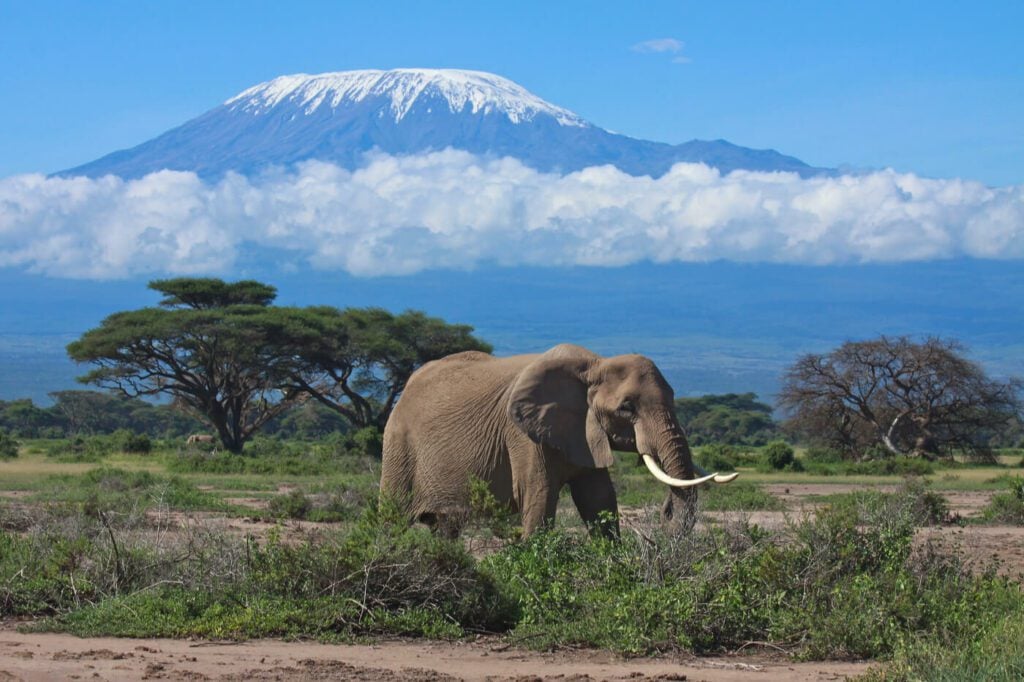
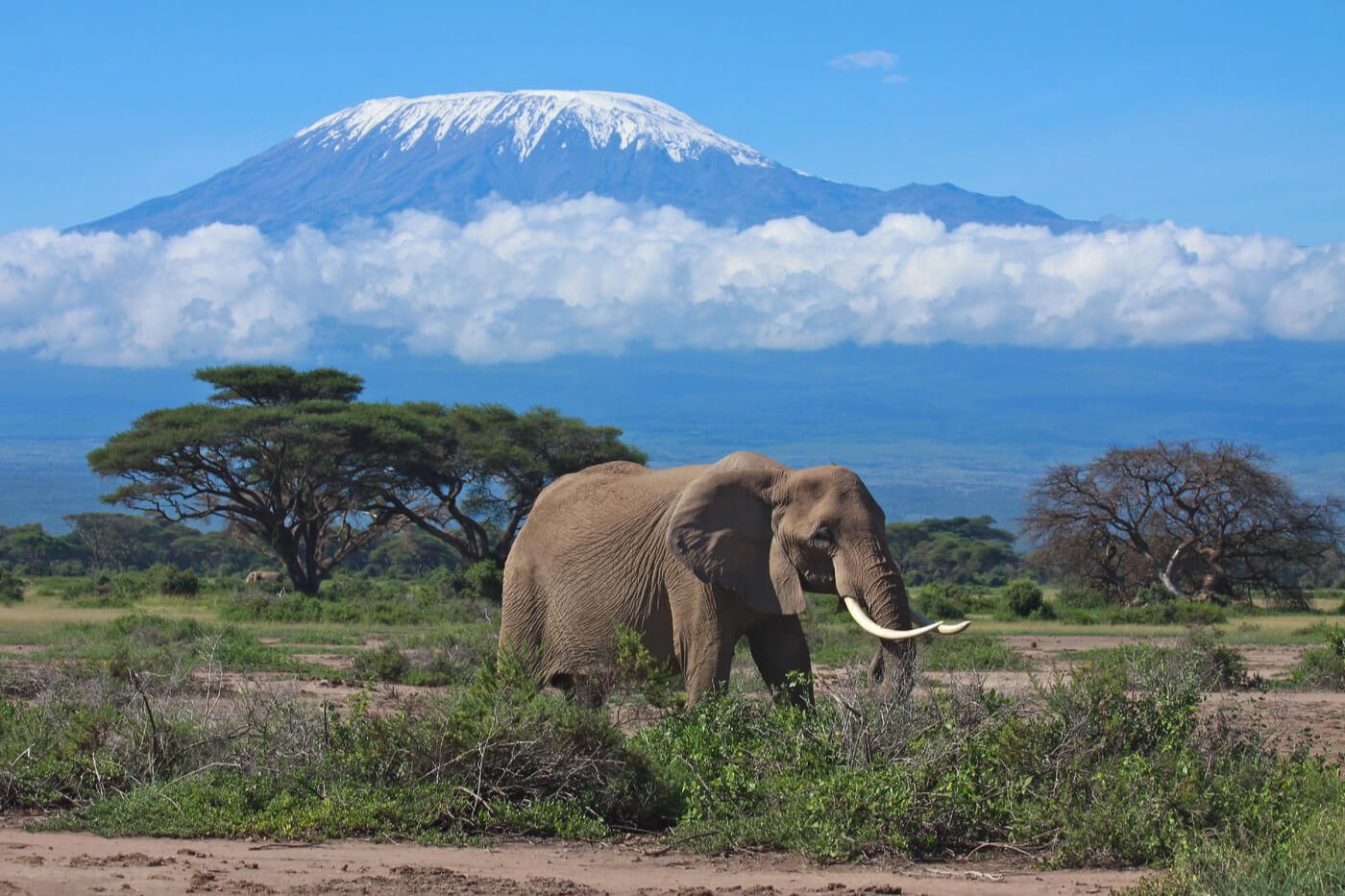
- African Elephant: Towering giants grace the crater with their presence. African elephants, distinguished by their large ears and impressive tusks, roam freely, creating awe-inspiring scenes against the backdrop of the crater walls.
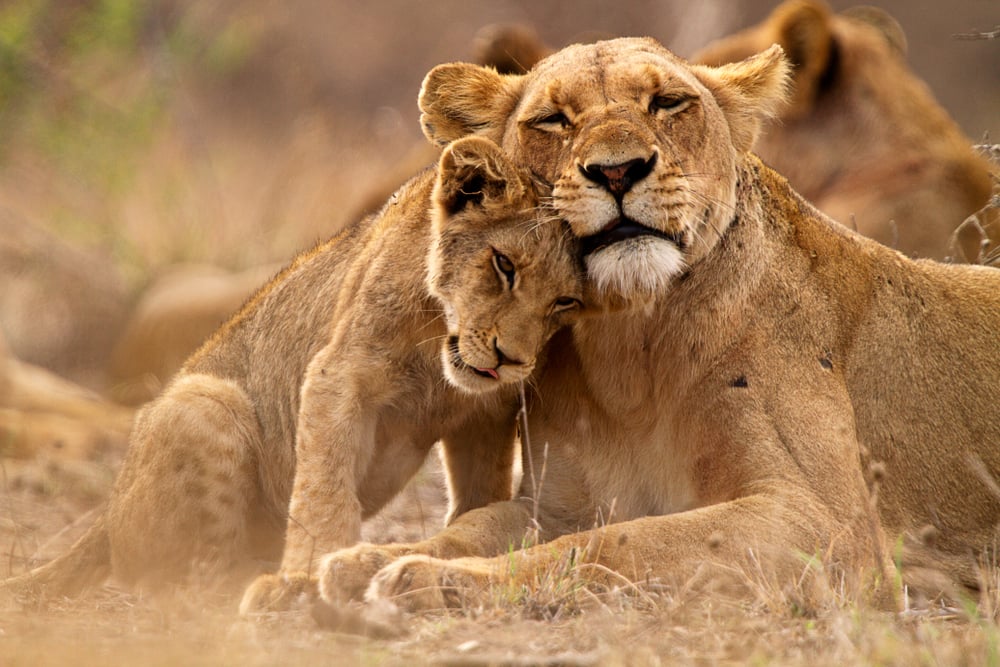
- Lion: The king of the savanna, lions rule the grasslands of Ngorongoro. Mane flowing in the breeze, these majestic predators embody strength and regality as they survey their domain.
- Black Rhinoceros: Ngorongoro’s rugged terrain provides a refuge for the endangered black rhinoceros. With their iconic hooked lips and formidable horns, these magnificent creatures navigate the crater’s diverse landscapes.
- Buffalo: Massive herds of Cape buffalo traverse the crater floor. Known for their robust build and distinctive horns, these herbivores contribute to the dynamic balance of Ngorongoro’s ecosystems.
- Flamingo: The soda lakes within the crater attract a splash of pink, as thousands of flamingos gather. Their elegant presence and synchronized movements create a breathtaking spectacle against the turquoise waters.
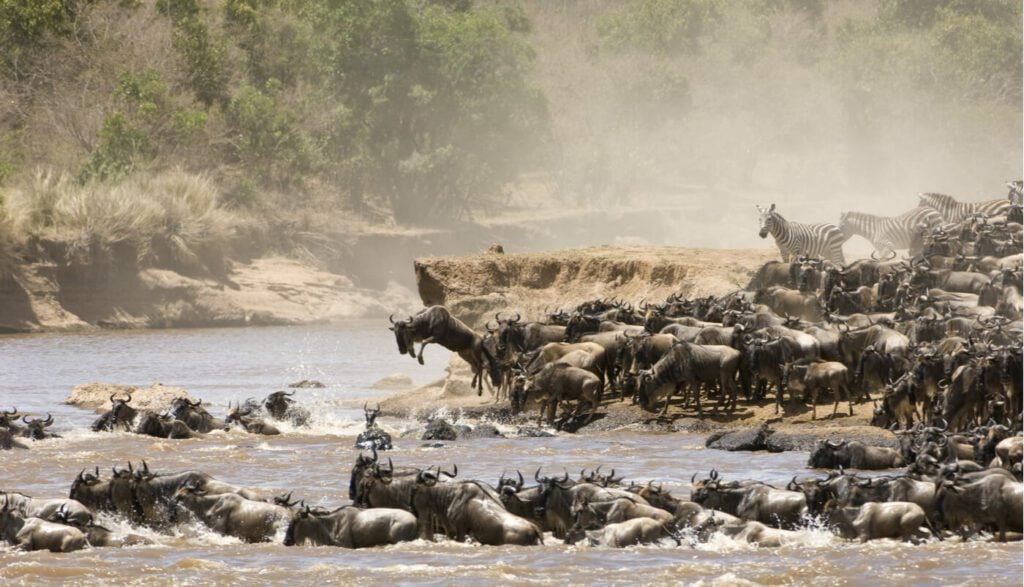
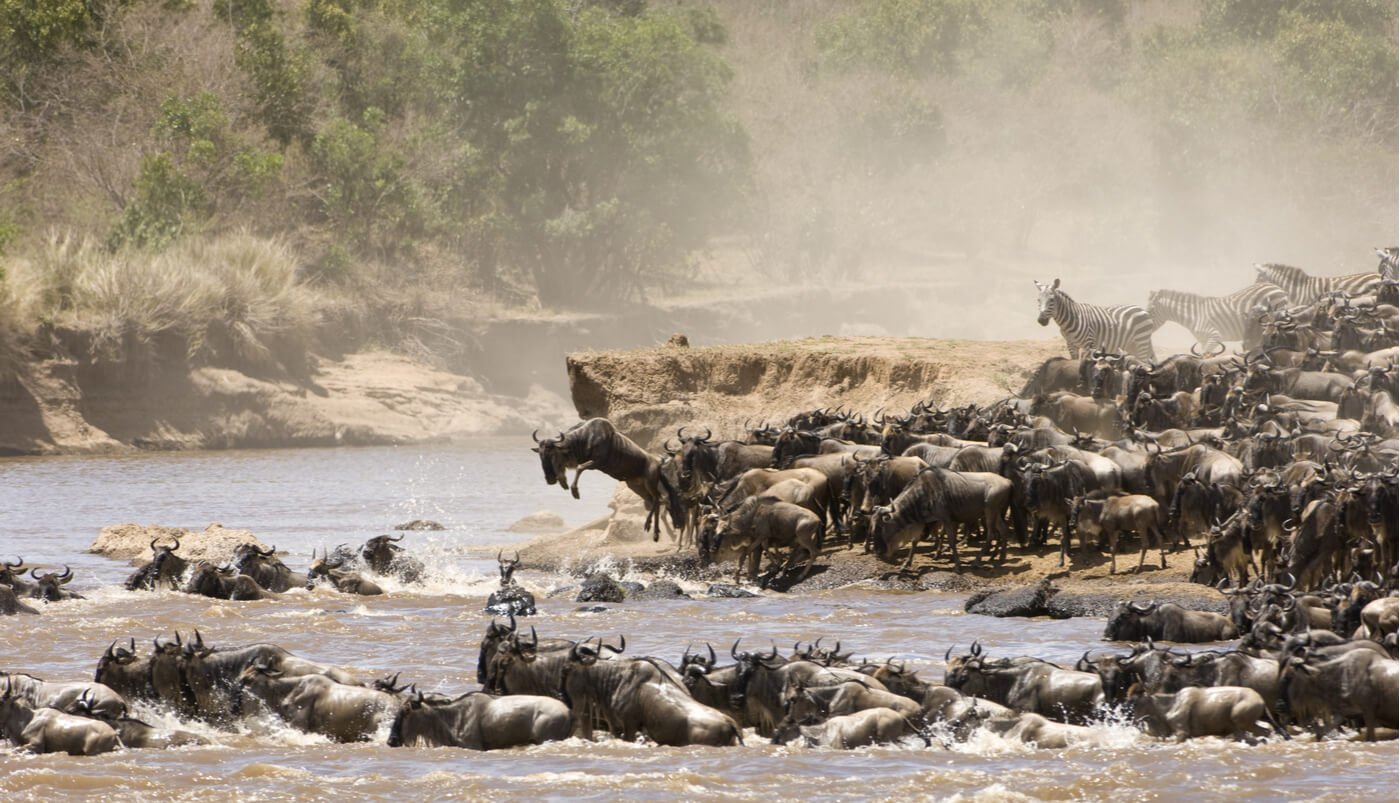
- Wildebeest: In the open grasslands, wildebeest form impressive migrations. Their synchronized movements and distinctive silhouettes contribute to the lively choreography of Ngorongoro’s annual wildlife spectacles.
- Hippo: Ngorongoro’s lakes and pools harbor hippopotamuses, semi-aquatic giants that bask in the sun or submerge in the cool waters. Their grunts and wallows add a unique rhythm to the crater’s soundscape.
- Zebra: Striped patterns adorn the plains as zebras roam freely. These social and agile herbivores contribute to the vibrant mosaic of Ngorongoro’s landscapes.
- Cheetah: The open expanses provide a perfect hunting ground for cheetahs. With their slender builds and incredible speed, these feline predators embody grace and precision in their pursuit of prey.
- Maasai Giraffe: Graceful giraffes, with distinctively jagged spots, extend their long necks to reach the treetops. Against the crater’s panoramic vistas, these gentle giants showcase the harmony of nature within this remarkable sanctuary.
Ways to experience
Ngorongoro Crater, a UNESCO World Heritage Site, is a natural wonder nestled in Tanzania, offering a unique haven for wildlife enthusiasts. Known as the “Cradle of Life,” the crater’s diverse ecosystems and stunning landscapes make it a must-visit destination. Explore the different ways to experience the magic of Ngorongoro Crater.
Ways to Experience Ngorongoro Crater:
- Game Drives:
- Embark on thrilling game drives across the crater floor. Witness the abundance of wildlife, including lions, elephants, and rhinos, as well as the seasonal migration of wildebeest. Game drives provide a close encounter with the rich biodiversity of the crater.
- Walking Safaris:
- Immerse yourself in the sights and sounds of Ngorongoro Crater on a guided walking safari. Traverse the crater’s rim, accompanied by knowledgeable guides who share insights into the smaller creatures, plants, and birdlife that thrive in this unique environment.
- Photography Expeditions:
- Capture the breathtaking landscapes and wildlife of Ngorongoro Crater on a photography expedition. From the golden-hued savannah to the shimmering alkaline lake, every frame tells a story of nature’s grandeur.
- Cultural Encounters:
- Engage with Maasai communities residing near the crater. Experience their rich traditions, colorful attire, and unique way of life. Cultural visits add a meaningful dimension to your journey, providing a glimpse into the local heritage.
- Hot Air Balloon Safaris:
- Soar above Ngorongoro Crater on a hot air balloon safari for a bird’s-eye view of the wildlife and landscapes. Marvel at the sunrise as it casts a golden glow over the crater, creating a magical and serene experience.
- Hiking Adventures:
- Trek along the crater’s rim for panoramic views. The highlands offer hiking trails with vistas of the crater below and the surrounding Serengeti plains. Hiking adventures allow you to appreciate the vastness and geological wonders of the area.
- Birdwatching Excursions:
- Explore Ngorongoro Crater’s diverse birdlife on a birdwatching excursion. The crater is a haven for avian enthusiasts, with species like flamingos, ostriches, and eagles gracing the skies and shores.
- Luxury Safari Lodges:
- Indulge in the luxury of safari lodges situated on the crater rim. Enjoy breathtaking views, comfortable accommodations, and the sounds of wildlife just beyond your doorstep. Luxury lodges provide an immersive and relaxing experience.
- Educational Tours:
- Join educational tours led by experienced naturalists. Gain insights into the geological history, ecology, and conservation efforts within Ngorongoro Crater, fostering a deeper appreciation for its significance.
- Sunset Sundowners:
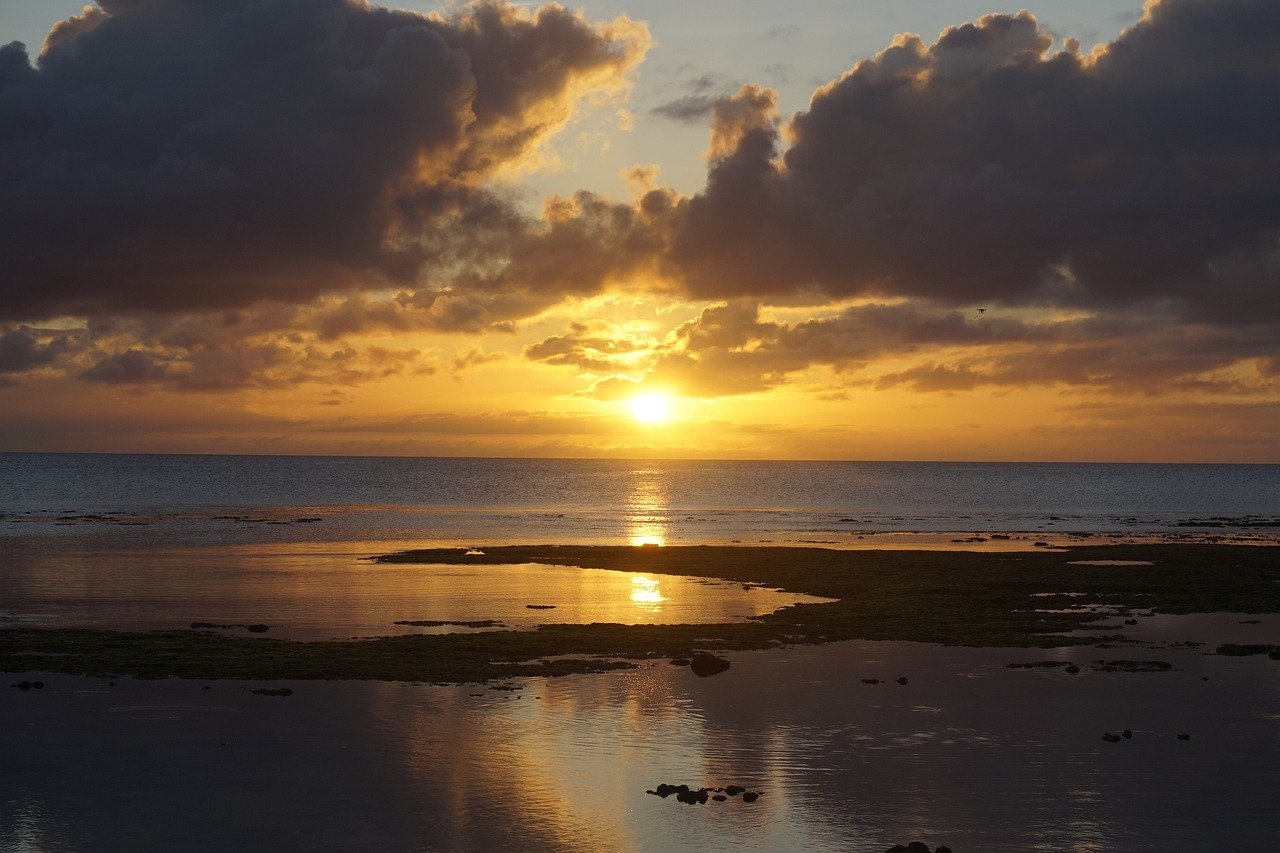
- Conclude your day with a sundowner experience. Enjoy a drink as the sun sets over Ngorongoro Crater, casting a warm glow on the landscape and creating a serene atmosphere that captures the essence of this remarkable natural wonder.
Best Times
Embarking on a journey to the Ngorongoro Crater promises a remarkable wildlife experience, but the timing of your visit can significantly enhance this adventure. Let’s explore the best time to visit this natural wonder, considering the seasons and the unique offerings each brings.
Seasons at Ngorongoro Crater:
- Dry Season (June to October):
- Average Temperatures: 50 to 70°F (10 to 21°C)
- Description & Reasons to Visit: The dry season offers clear skies and comfortable temperatures, making it an ideal time for wildlife viewing. With reduced vegetation, spotting the diverse fauna becomes easier as they gather around water sources.
- Short Rain Season (November to December):
- Average Temperatures: 50 to 70°F (10 to 21°C)
- Description & Reasons to Visit: During the short rain season, the landscape transforms into lush greenery, creating a picturesque setting. While occasional showers occur, the rejuvenated flora and the potential for lower visitor numbers can enhance the overall experience.
- Long Rain Season (March to May):
- Average Temperatures: 48 to 66°F (9 to 19°C)
- Description & Reasons to Visit: The long rain season brings about renewed life and an explosion of colors. Though rainfall is more frequent, this time is ideal for birdwatching, witnessing migratory patterns, and enjoying the vibrant scenery.
Conclusion:
Choosing when to visit the Ngorongoro Crater depends on your preferences, whether it’s the prime wildlife viewing of the dry season, the lush landscapes of the short rain season, or the unique avian experiences during the long rain season. Each season adds a distinct flavor to your safari, promising an unforgettable encounter with nature’s wonders.